How to Avoid Overweight Baggage Fees: 8 Practical Tips
Updated Oleksii PanchenkoShare
To avoid overweight baggage fees, check the allowance on your booking, weigh the fully packed suitcase at home and remove enough to stay below the applicable limit. Count the suitcase itself, leave room for the return trip, and compare the cost of an extra permitted bag before you travel if you cannot reduce the load.
Updated October 27, 2026. This guide focuses on checked-bag weight. Size limits, the number of pieces and cabin-baggage rules are separate requirements; meeting one does not mean you meet the others.
1. Check Your Actual Allowance Before Packing
Check your ticket’s bag count, weight per piece, size limits and applicable fees. Route, cabin, fare, benefits and partner flights can change what applies. Do not assume that two travellers can pool their allowances or that buying a checked bag permits unlimited weight.
As checked on October 27, 2026, Air Canada lists a standard checked-bag maximum of 23 kg and 158 cm in combined exterior dimensions. WestJet lists 23 kg and 157 cm. These are standard examples, not a promise of a free bag or your personal entitlement. Use the airline’s calculator and your booking for the actual allowance and charges.
Acceptance ceilings are different again. Air Canada directs travellers with bags over 32 kg to cargo arrangements; WestJet publishes route-specific excess-weight rules, including a 32 kg ceiling for flights to or from Europe. Never assume you can check a bag of any weight simply by paying more.
2. Weigh the Closed Suitcase at Home
Weigh after adding toiletries, gifts, locks, packing organizers and everything else travelling with the bag. Repeat the measurement on a stable setup and check the scale’s units. A luggage scale is convenient; with a suitable bathroom scale, subtract your weight alone from your weight while holding the bag, recognizing that this is only an estimate.
Leave a practical buffer instead of aiming exactly at the limit. For example, with a verified 23 kg allowance, a personal target of 22 kg leaves 1 kg for later additions and measurement differences. That buffer is a planning choice, not an airline tolerance. The airport’s assessment determines acceptance.
3. Subtract the Empty Case Weight First
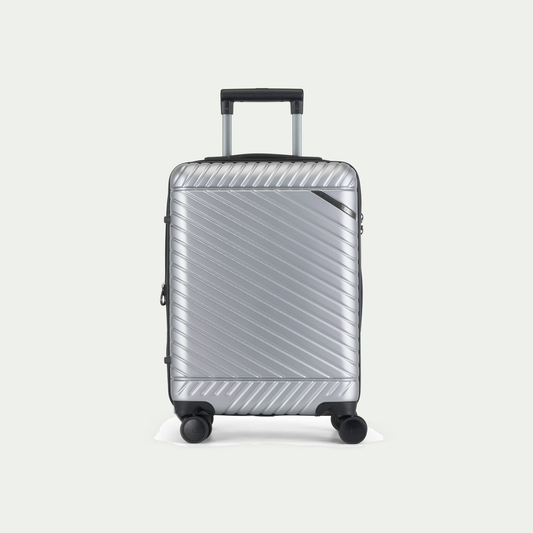
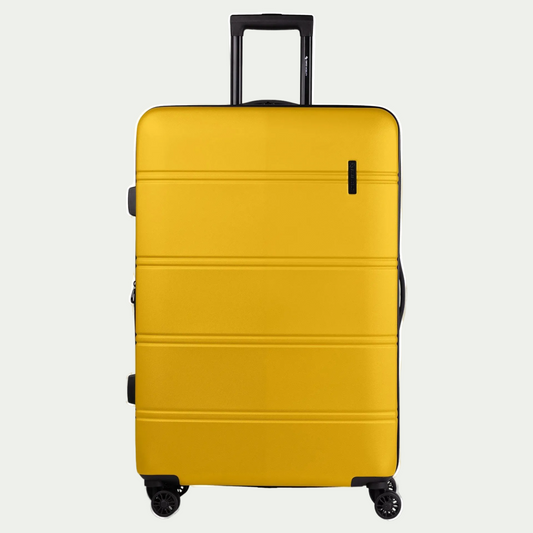
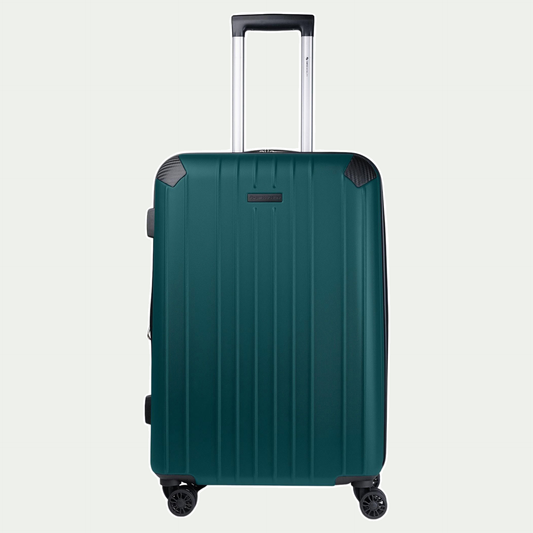
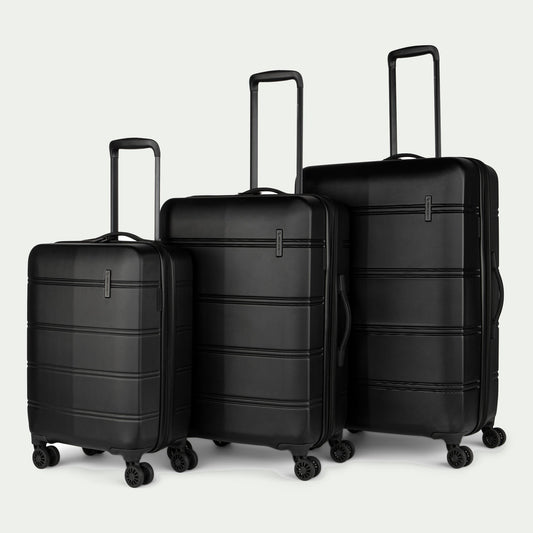
Your belongings do not get the full allowance: the case consumes part of it. Compare the published empty weight of individual models, rather than assuming that one material or shell type is always lighter. Our hard-shell versus soft-shell guide explains the broader trade-offs.
| Empty suitcase | Contents budget | Calculation |
|---|---|---|
| 4.5 kg | 17.5 kg | 23 − 4.5 − 1 |
| 3 kg | 19 kg | 23 − 3 − 1 |
The lighter example leaves 1.5 kg more for contents. These are hypothetical cases, not specifications for a particular product. A larger case creates more volume, not a larger airline weight allowance. Use our suitcase sizing guide to choose capacity around the trip.
4. Choose Travel-Day Clothing Deliberately
Wearing your normal bulky shoes and a suitable outer layer can free some room and weight in the suitcase. Choose what is comfortable for the weather and journey. Do not depend on wearing an unreasonable number of layers or hiding items to get around baggage rules.
5. Reduce Duplicate Shoes and Clothing
Lay out complete outfits and identify pieces that do the same job. One versatile spare pair of shoes may be enough for a casual trip; sporting, medical or formal needs can change that. Keep genuine essentials, then reduce the extras that serve no planned activity.
For a concrete wardrobe example, follow our seven-day packing guide. Its outfit and laundry method can also reduce the load in checked luggage. Adjust clothing quantities to your hygiene needs and laundry access.
6. Bring Only the Toiletries You Need
Full bottles, several duplicate products and heavy packaging can add up. Bring quantities appropriate to the trip, confirm what your accommodation provides and use smaller containers when practical. Keep medications and necessary care products on the list.
If you transfer toiletries into cabin baggage, screening restrictions still apply. CATSA’s Canadian guidance generally limits ordinary liquids, aerosols and gels to containers of 100 mL/100 g or less within one clear, resealable 1 L bag. Exceptions apply. A partly empty larger bottle does not become a compliant travel-size container.
7. Use Packing Cubes for Organization, Then Check Weight
Compression can reduce bulk, but it does not reduce the weight of your clothes. Organizers and compression bags also have their own weight. Use them to separate categories and simplify repacking, then put the suitcase back on the scale.
ÉVORA Insight: Treat space and weight as two separate budgets. A case that closes easily may still exceed the allowance; a case below the weight limit may still be oversized.
8. Reserve Weight for the Return Journey
Check the scale again before coming home. Gifts, purchases and even wet clothing can change your departure calculation. If shopping is part of your plan, reserve some of the allowance for it rather than treating every spare kilogram as something to fill before leaving.
A foldable extra bag is useful only if the carrier accepts it and you account for any piece fee. Adding a bag also adds its own empty weight. Confirm extra-bag availability, deadlines and charges before relying on this option.
What If the Bag Is Overweight at the Airport?
- Ask the agent about your options. Confirm the excess amount and the applicable charge or acceptance limit.
- Repack where permitted. Move suitable belongings into another bag only if that bag remains within its own allowance. Do not assume allowances can be pooled.
- Check cabin restrictions before transferring items. A cabin bag must meet its piece, size and any weight limits, and its contents must pass security. Do not move prohibited items or oversized liquid containers into it.
- Keep batteries in the correct place. Spare lithium batteries and power banks must remain in the cabin under Transport Canada’s guidance; do not put them into checked baggage to solve a weight problem.
- Compare the full price. Ask about an additional accepted bag versus overweight charges, including any size charges and packaging costs. The cheaper option varies.
Give yourself time to resolve a problem before baggage drop closes. For the wider airport routine, read our airport packing mistakes guide.
Frequently Asked Questions
Will an airline ignore a small amount of extra weight?
Do not rely on a grace allowance. Plan to stay below the limit shown for your booking and ask the airline about its current policy.
Is buying an extra bag always cheaper?
No. Compare the actual extra-piece and overweight charges for your itinerary, including taxes and any size charges. Also check that another piece can be accepted.
Does a bigger suitcase allow more weight?
No. The airline sets your allowance. A bigger case may simply make it easier to pack beyond it.
Do packing cubes reduce weight?
No. They help with organization and sometimes volume, while adding a little weight themselves.
What to Check Before You Fly
- Confirm the allowance and fee calculation for your booking.
- Measure and weigh every packed bag separately.
- Leave a useful margin and a plan for purchases.
- Check restrictions before moving items between bags.
- Recheck weight before the return flight.
Airline reminder: Rules and charges can change and vary by fare, itinerary and carrier. Official sources were checked on October 27, 2026. Verify your own booking directly; the examples above do not guarantee acceptance or a particular fee.
Compare Luggage by Weight as Well as Size
Browse ÉVORA luggage by listed empty weight, exterior measurements and useful capacity. If a cabin-only trip fits your needs and fare, compare carry-on options. No luggage model changes the allowance attached to your ticket.