Airport Packing Mistakes That Make Travel Harder Than It Needs to Be
Oleksii PanchenkoShare
The airport packing mistakes most likely to complicate your trip are packing for the wrong baggage allowance, burying essentials, making security items difficult to remove, and filling a suitcase without checking its final size and weight. A useful packing system considers every stage: check-in, security, boarding, the flight and arrival.
You do not need a different bag for every possible problem. Start with what your booking permits, decide what you need to reach quickly, and give yourself room to repack. These ten checks help turn a tightly packed bag into one that works throughout the journey.
1. Assuming Every Ticket Includes an Overhead Carry-On
A suitcase can be the right size and still not be included with your fare. For example, Air Canada’s carry-on policy limits some Economy Basic itineraries to a personal item, with exceptions. Check your specific booking rather than relying on a previous trip.
Do this instead: Write down the number of bags included, their permitted dimensions and any weight limits. Check the rules for every flight, including partner-operated segments, and confirm which checked-baggage policy applies to the itinerary.
2. Measuring an Empty Bag or Ignoring the Wheels
External pockets, wheels, fixed handles and an open expansion panel can make a packed bag larger than you expect. A nominal “20-inch” size is not enough information to establish airline acceptance.
Do this instead: Measure after packing, with pockets filled and the expansion panel in the position you will use. Our guide to measuring a carry-on walks through the exterior measurements. Compare the result with your operating airline’s current rules.
3. Packing Separate Outfits for Every Possible Occasion
The extra dinner shoes, backup jacket and second “just in case” outfit tend to arrive together. Soon the bag closes only if someone sits on it, and finding one item means unpacking half the case.
Do this instead: Pack for confirmed activities and the forecast. Choose pieces that combine easily and arrange laundry when useful. For a practical example, use our seven-day carry-on packing list. Adapt it to your comfort, hygiene and medical needs; a small packing list is a tool, not a rule.
4. Treating Compression as a Weight-Saving Method
Compression makes clothing take up less space. It does not make that clothing lighter, and the organizers themselves add weight. Spare capacity can make it easier to add items you do not need.
Do this instead: Weigh the closed suitcase with all accessories attached. Leave a practical margin below your allowance and weigh it again before the return journey. Our overweight-baggage guide explains how to set a weight budget and compare your options.
5. Leaving Liquids and Electronics at the Bottom
A neatly packed bag can still be awkward at security if the items you are asked to remove sit beneath your clothes. Repacking in a queue adds avoidable stress.
Do this instead: Follow CATSA’s Canadian screening guidance: ordinary liquids, aerosols and gels must generally be in containers of 100 mL/100 g or less, fitting in one clear, closed, resealable bag of up to 1 L. Exceptions apply, including for certain medicines and infant items. Keep screening items accessible and follow officers’ instructions.
6. Putting All Your Essentials in the Bag You Might Lose Access To
You may not be able to open a suitcase in the overhead bin whenever you want. A carry-on may also need to be checked at the gate. Documents, necessary medication, keys and valuables should be easy to keep with you.
Do this instead: If your fare permits a personal item, organize it around what you need during the flight and immediately after landing. Our under-seat bag guide provides a useful starting point. With a one-bag allowance, group essentials in an accessible section you can remove if needed; do not assume a separate pouch is an extra permitted bag.
7. Forgetting About Power Banks When Gate-Checking
A battery packed correctly for the cabin needs attention if the bag is sent to the hold. Transport Canada requires spare lithium batteries and power banks to stay in the cabin, with terminals protected against short circuits.
Do this instead: Keep them accessible so you can remove them before gate checking. Check the airline’s battery capacity, quantity and onboard-use restrictions, and check your device for recalls before travelling.
8. Using Every Pocket Without an Access Plan
More compartments are useful only when you can remember where things are. Scattering chargers, identification and small essentials across several bags creates unnecessary searching.
Do this instead: Use three simple groups: documents and immediate essentials; electronics and charging; clothing and destination items. Keep valuable items in secure, zipped compartments. Give dirty laundry a separate pouch so it does not take over the return packing.
ÉVORA Insight: Pack in the order you will need things, not just in the order they fit. Easy access can be more valuable than squeezing one more item into the case.
9. Having No Plan for the Return Trip
Purchases and less carefully folded clothing can turn a comfortable outbound bag into an awkward return bag. A spare tote also counts toward your allowance unless the airline says otherwise.
Do this instead: Leave some space and weight available. Before buying souvenirs, consider their weight, dimensions and any liquid or destination restrictions. Add a bag only after confirming the cost and permission to bring it.
10. Doing the Final Check at the Airport
Do this instead: Close the bag at home, measure it, weigh it, carry it and test access to the items you need first. Make sure your contact details are inside checked luggage and remove old airline tags. Recheck check-in and baggage-drop deadlines rather than leaving packing decisions to the counter.
What to Check Before You Fly
- The bags you packed match your ticket’s allowance.
- The full bag meets the relevant size and weight limits.
- Documents, medication, valuables and screening items are accessible.
- Spare batteries can be removed if a bag is gate-checked.
- You can lift and repack the bag comfortably.
- You have allowed for the return journey.
Rules checked October 27, 2026. Airline allowances and security requirements vary by fare, itinerary and operating carrier and can change. Confirm current requirements with your airline and the screening authority for both departure and return.
Choose Organization That Suits Your Trip
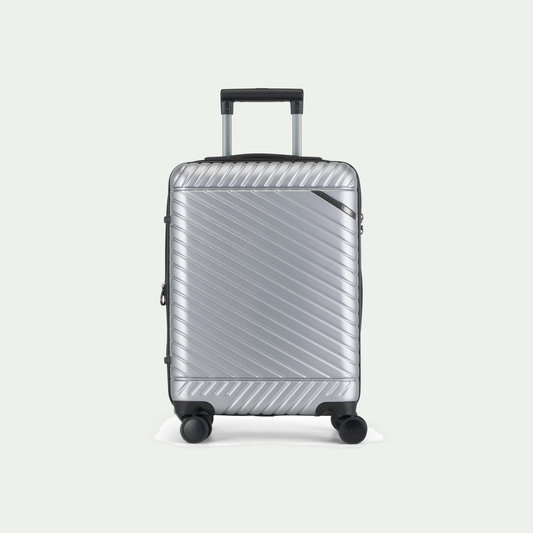
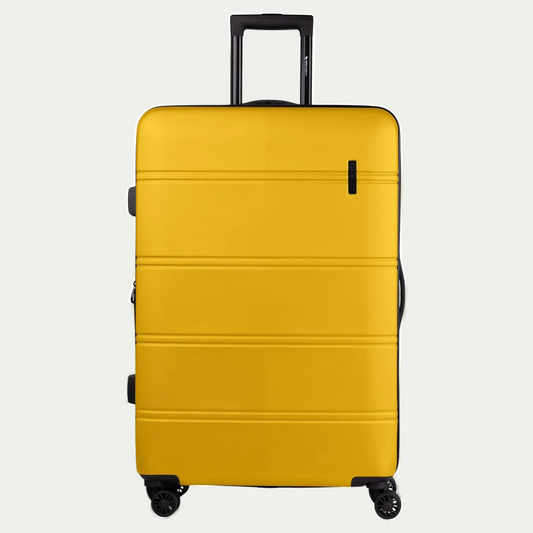
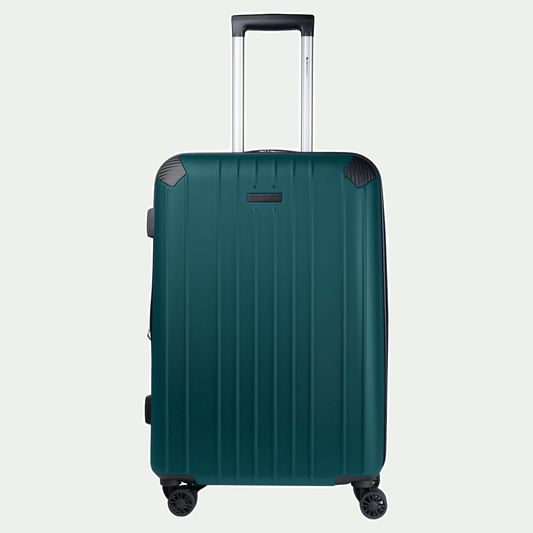
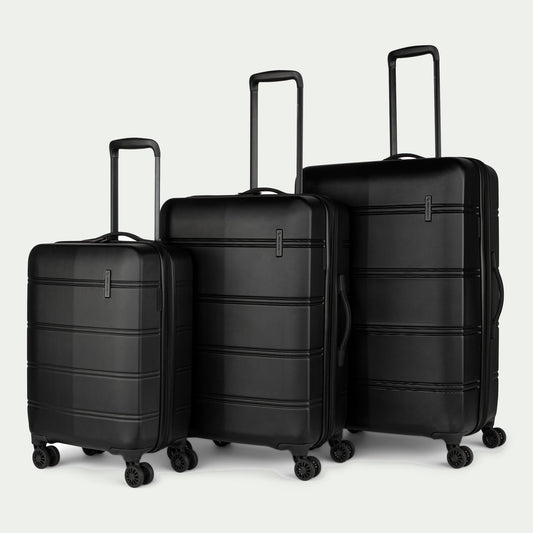
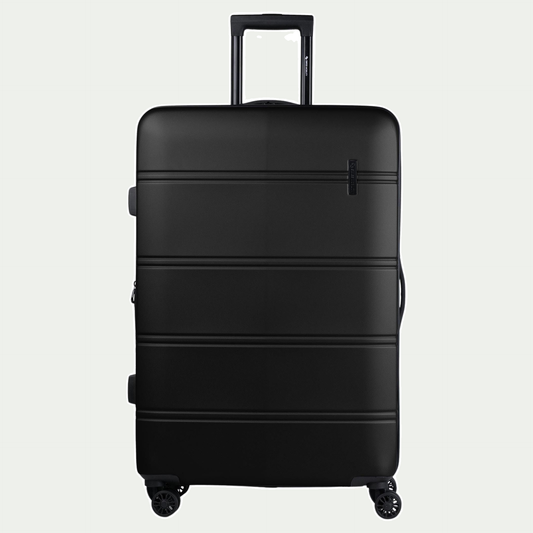
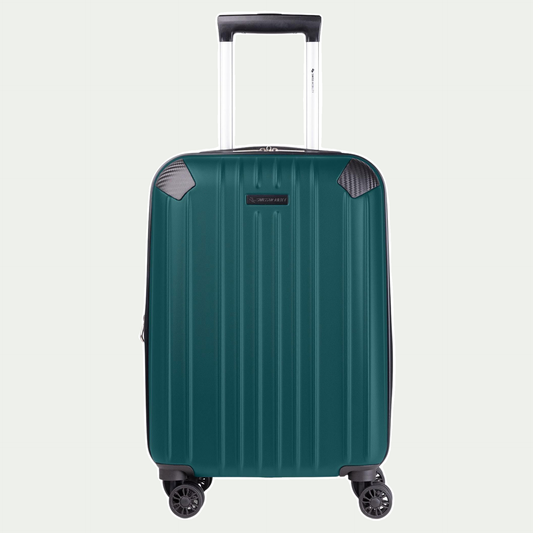
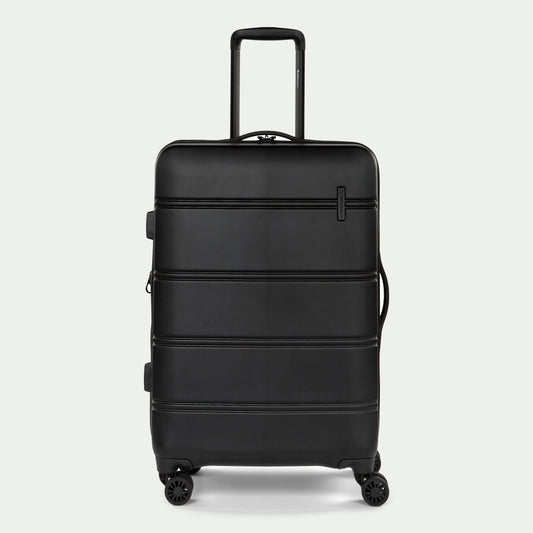
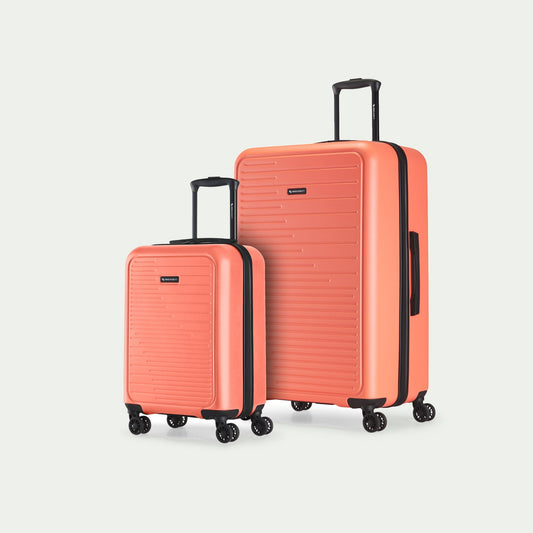
Compare ÉVORA carry-on luggage by exterior dimensions, empty weight and interior layout. If your fare includes a personal item, explore backpacks with useful access and secure compartments. Verify each product’s measurements; a collection name is not a guarantee of airline compliance.